Understanding groundwater behaviour is critical for safe and efficient mining, civil engineering and construction projects. Whether you are managing dewatering, excavation stability or long-term site monitoring, accurate groundwater monitoring data is essential. One of the most reliable ways to collect this information is through a standpipe piezometer.
Standpipe piezometers are simple, robust and cost-effective tools used across Western Australia to measure groundwater levels, monitor pressure changes and identify potential risks before they affect site performance. For many contractors, they are the preferred instrument for ongoing groundwater monitoring and assessment because they provide dependable data with minimal maintenance.
Precision Drilling Australia specialises in installing standpipe piezometers for mining, civil and industrial works. This article explains what they are, how they operate and why they play such an important role in safe project planning and site control.
What Is a Standpipe Piezometer?
A standpipe piezometer is a monitoring device designed to measure the hydraulic head or groundwater pressure at a specific depth. It is made up of two main components: a screened section at the base and a plain riser pipe that extends to the surface.
The screened section allows groundwater to enter the pipe at the monitored depth. The plain riser pipe then provides a clear pathway to the surface, where groundwater levels can be read manually or with a datalogger. A protective cover or monument is installed at ground level to keep the system secure and accessible.
These systems are known for their durability and suitability for long-term monitoring. Unlike more complex electronic instruments, standpipes do not rely on power, sensors or moving parts. This makes them ideal for remote sites, harsh environmental conditions and locations where site access changes over time.
How Standpipe Piezometers Work
A standpipe piezometer uses basic hydrostatic principles. Once installed, groundwater flows through the screened section to fill the riser pipe. The water level inside the pipe rises until it reaches equilibrium with the surrounding groundwater pressure.
Monitoring the rise or fall of the water level tells you how groundwater conditions are changing. If the water level increases, pressure may be building within the surrounding soil or rock. If it drops, dewatering systems may lower the groundwater effectively. These readings give engineers and project managers valuable insight into subsurface conditions throughout the life of a project.
Standpipe measurements can be taken with a simple water level meter. For continuous monitoring, dataloggers can record readings at set intervals. Data collected can then be used to track seasonal variation, analyse construction impacts or confirm that site control systems are performing as intended.
Why Piezometer Monitoring Matters in Mining and Construction
Groundwater conditions influence almost every aspect of mining and construction work. Understanding how water moves through soil and rock helps protect project safety, control costs, and prevent delays.
Key reasons to monitor groundwater include:
Excavation Stability
High groundwater pressure can reduce soil strength and lead to instability in open pits, trenches and foundation excavations. Standpipe piezometers alert teams to rising pore pressure, allowing corrective measures before conditions become unsafe.
Dewatering Performance
Large civil and mining projects often rely on dewatering systems to lower groundwater and keep work areas dry. Standpipes provide continuous confirmation that pumping systems are achieving the required drawdown.
Slope and Embankment Monitoring
Earth embankments, tailings storage facilities and stockpiles are sensitive to changes in groundwater conditions. Piezometer data helps identify potential problems early, supporting proactive slope management.
Environmental Compliance
Ongoing groundwater monitoring is often required for environmental approvals. Standpipes supply clear, reliable data that can be used in compliance reporting and groundwater modelling.
Foundation Design Verification
Engineers use groundwater measurements to validate geotechnical assumptions and ensure foundations, retaining structures and underground services are designed to handle actual site conditions.
Where Standpipe Piezometers Are Used
Standpipe piezometers are widely used in:
- Mining operations, including pits, waste dumps and tailings facilities
- Large civil earthworks
- Infrastructure developments such as rail, road and bridge construction
- Industrial sites requiring ongoing groundwater monitoring
- Dewatering and water management programs
- Environmental and geotechnical investigations
They are suitable for a wide range of geological conditions, including sand, clay, gravel and fractured rock. Their simple design makes them adaptable to shallow or deep installations, depending on project requirements.
Installation and Development
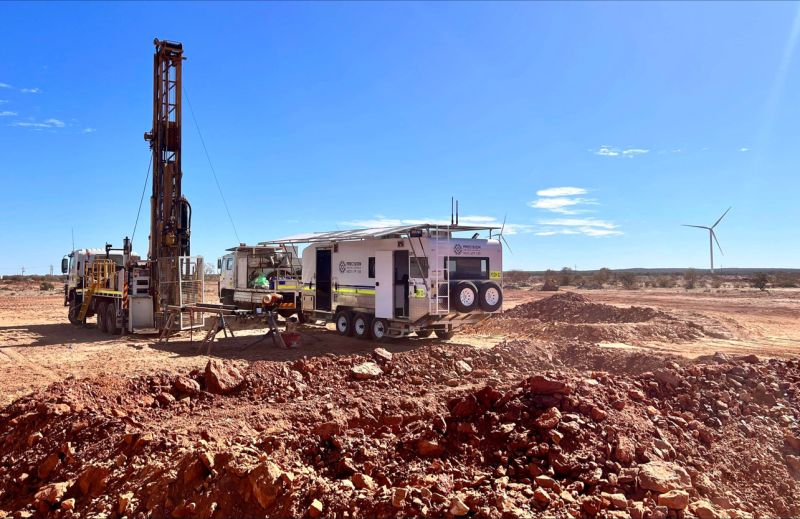
Correct installation is essential for accurate results. At Precision Drilling Australia, we install standpipe piezometers using methods tailored to local geology and project design.
Key steps include:
Drilling the Borehole
A borehole is drilled to the required depth. The diameter and drilling method depend on ground conditions and the standpipe specifications.
Installing the Screen and Riser Pipe
A screened section is positioned at the monitoring depth. The plain riser pipe is then extended to the surface. All joints are sealed to prevent leakage or contamination.
Backfilling
A filter pack of clean gravel is placed around the screened section. Above this, a bentonite or cement seal is installed to prevent vertical water movement in the borehole.
Surface Completion
The top of the standpipe is finished with a protective cap or monument. This keeps the installation secure and easy to access for future monitoring.
Development
The standpipe is flushed and developed to ensure the screen is clear and groundwater can flow freely. This step improves the accuracy of future measurements.
The Benefits of Standpipe Piezometers
Standpipe piezometers offer several advantages for mining and construction projects:
Cost Effective
They require no power, electronics or specialised equipment, making them one of the most economical monitoring solutions.
Long Lifespan
With no moving parts and strong materials, standpipes last for many years, even when exposed to harsh conditions.
Reliable Data
Their simple design provides accurate groundwater level readings that can be used for engineering analysis, reporting and modelling.
Low Maintenance
Once installed and developed, they require only periodic monitoring.
Suitable for All Project Stages
Standpipes are valuable during early site investigations, active construction phases and long-term monitoring programmes.
Why Choose Precision Drilling Australia
With more than 25 years of industry experience, Precision Drilling Australia delivers accurate and dependable groundwater monitoring for mining, civil and construction clients across Australia. We work closely with engineers and project managers to ensure each standpipe piezometer is designed and installed to the highest standard.
Our team brings extensive knowledge of WA geology, groundwater behaviour and drilling techniques, allowing us to tailor each installation to the needs of your site. From small local projects to large-scale mining operations, we provide precise work, clear communication and reliable outcomes.
If you require professional installation of standpipe piezometers or support for your groundwater monitoring programme, contact Precision Drilling Australia today. We are ready to assist with safe, compliant and efficient drilling services for every stage of your project.
A standpipe piezometer is a groundwater monitoring device used to measure water levels and pore pressure at a specific depth. It consists of a screened section installed in the ground with a riser pipe that allows groundwater levels to be read from the surface.
They provide essential data about groundwater conditions, which helps manage excavation stability, monitor dewatering systems, verify design assumptions and meet environmental compliance requirements.
Groundwater flows into the screened section and rises inside the pipe until it matches the surrounding hydraulic pressure. By measuring the water level in the pipe, engineers can determine groundwater changes over time.
Readings are usually collected using a water level meter lowered into the riser pipe. For ongoing monitoring, dataloggers can be installed to record measurements automatically at set intervals.
Standpipe piezometers are built from durable materials and can remain in place for many years. Their simple design, with no electronic components or moving parts, gives them a long operational lifespan.
Standpipe piezometers are commonly used in mining operations, civil construction, embankment monitoring, tailings storage facilities, environmental investigations and large dewatering projects across Western Australia.
They can be installed at shallow or significant depths depending on site conditions and groundwater monitoring requirements. Precision Drilling Australia tailors each installation to the needs of the project.
We bring more than 25 years of drilling expertise, strong knowledge of WA geology and precise installation methods that deliver accurate and reliable groundwater monitoring data. Our team ensures each standpipe is installed safely, correctly and ready for long-term use.